The Greatest Rally War Ever Fought on Four Wheels
By Mwambazi Lawrence
The Subaru versus Mitsubishi rivalry is not just a battle between two manufacturers. It is a full-scale mechanical civil war that has been raging for over three decades. Entire friendships have been tested, service park debates have nearly required referees, and countless rally fans have spent sleepless nights defending their favorite brand. Somewhere in Japan, engineers from both companies probably still wake up at 3 a.m. wondering how to beat the other.
From a technical perspective, both manufacturers approached rallying with completely different philosophies. Subaru believed in balance, stability, and a low center of gravity. Mitsubishi believed in strength, aggression, and building components that could survive an asteroid strike. The result was two legendary machines that dominated rallying for years but achieved greatness in very different ways.
The heart of the Subaru is its famous EJ-series boxer engine. Unlike a conventional inline engine, the pistons lie flat and punch sideways at each other like two angry rally drivers arguing over a road book. This layout lowers the center of gravity significantly, reducing body roll and improving stability through fast corners. On paper, it is brilliant engineering. The car feels planted and predictable, especially on flowing stages.
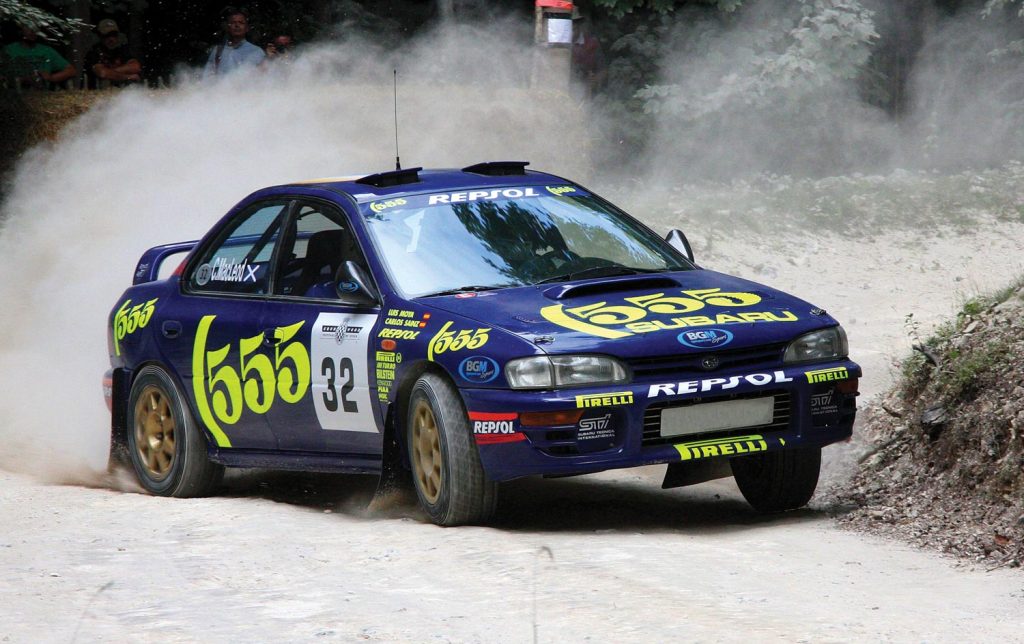
However, Subaru engineers were apparently so busy lowering the center of gravity that they occasionally forgot mechanics would eventually have to work on the engine. Ask any mechanic who has spent hours trying to reach components buried deep in an EJ engine bay and they may start speaking in languages not recognized by the United Nations. The boxer engine is a masterpiece of engineering until service time arrives and everyone suddenly misses simple inline engines.
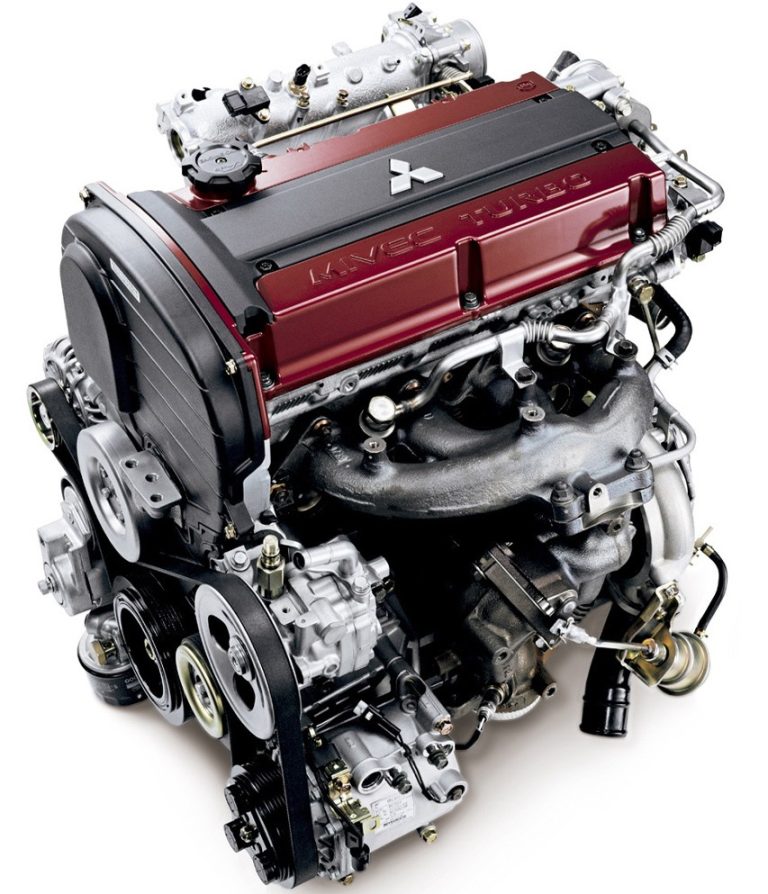
Mitsubishi looked at this challenge and took a different route. Their legendary 4G63 engine was an inline-four design that became one of the most respected rally engines ever built. It was strong, simple, easy to tune, and capable of handling enormous power increases. While Subaru engineers were discussing weight distribution and center of gravity calculations, Mitsubishi engineers appeared to be asking a simpler question: “How much boost can this thing survive before reality itself breaks?” The answer turned out to be quite a lot.
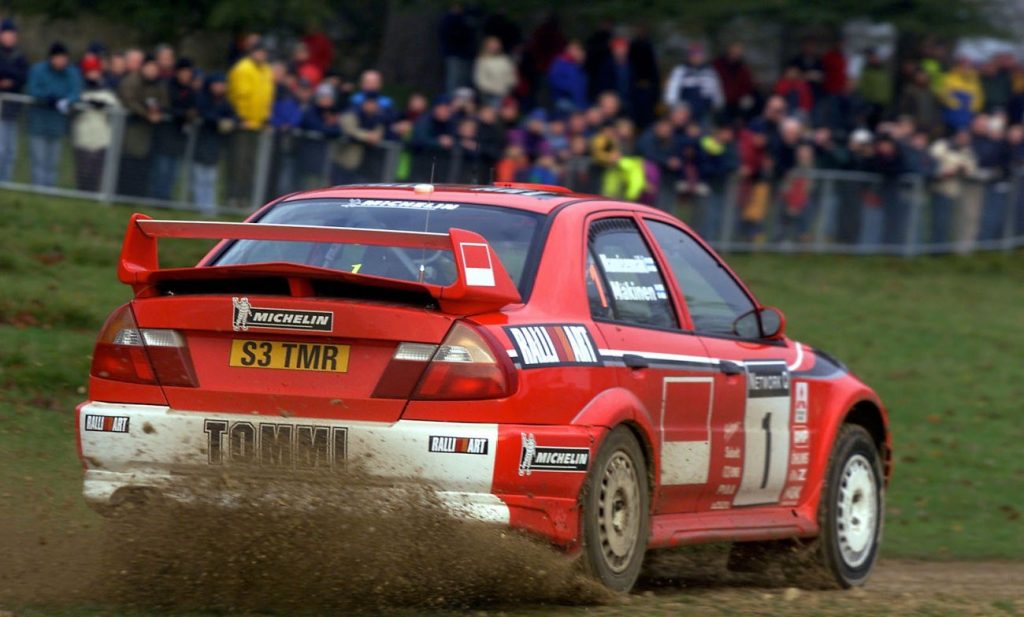
In rallying, reliability is king. A car that is ten seconds per kilometer faster means absolutely nothing if it is parked beside the road with steam pouring out of the bonnet. This is where Mitsubishi built its legendary reputation. The Evo’s drivetrain became famous for absorbing punishment that would send lesser vehicles into early retirement. Rally mechanics often joke that an Evo can complete an entire rally season fueled by dust, determination, and occasional maintenance.
The Subaru, meanwhile, developed a reputation for being a little more sensitive when pushed beyond its limits. Ring lands, head gaskets, rod bearings, and oiling issues became familiar topics among heavily modified EJ owners. The joke in many service parks is that Subaru owners know their engine builders by first name, while Evo owners sometimes struggle to remember where their mechanic lives because they visit him less often.
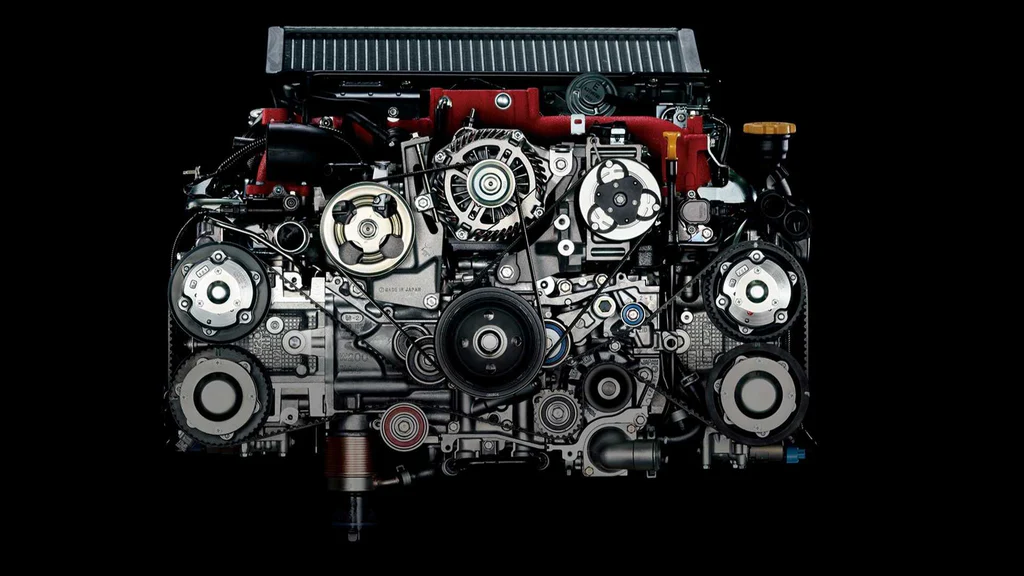
When discussing all-wheel-drive systems, both manufacturers deserve enormous respect. Subaru’s symmetrical AWD system is one of the most balanced drivetrains ever created. Power delivery is smooth and predictable, allowing drivers to maintain confidence on loose surfaces. The car naturally inspires trust. It feels like a loyal friend who wants to help you survive every stage.
The Mitsubishi Evolution, particularly from Evo IV onwards, introduced increasingly sophisticated active differentials and Active Yaw Control systems. These systems actively helped rotate the car into corners and improved traction on corner exit. To a rally driver, it sometimes feels as though the car is helping with the driving. To a Subaru driver, it sometimes feels like the Evo is cheating.
Handling characteristics reveal another major difference. A Subaru generally rewards smoothness. Drive it neatly, maintain momentum, and it becomes exceptionally quick. The Evo, however, seems to enjoy being attacked. Throw it into a corner aggressively, stand on the throttle early, and it responds like a rally car that has consumed three energy drinks and a motivational speech. The sharper steering response and more aggressive front-end grip often make the Evo feel faster than its competitors.
Weight distribution also plays a significant role. The Subaru’s boxer engine lowers weight in the chassis, creating excellent balance through high-speed corners. The Mitsubishi’s conventional engine layout places the weight slightly higher but often results in easier servicing and packaging. Subaru engineers prioritized physics. Mitsubishi engineers prioritized practicality and then compensated with brute-force engineering.
In terms of tuning potential, the Evo became a global icon. The 4G63 engine regularly produced 500, 600, and even 700 horsepower builds while retaining impressive reliability. Some tuners became so confident in the engine’s strength that they treated factory specifications as polite suggestions rather than limits. The Subaru EJ engine can also make serious power, but generally requires more careful preparation and maintenance to achieve the same results safely.
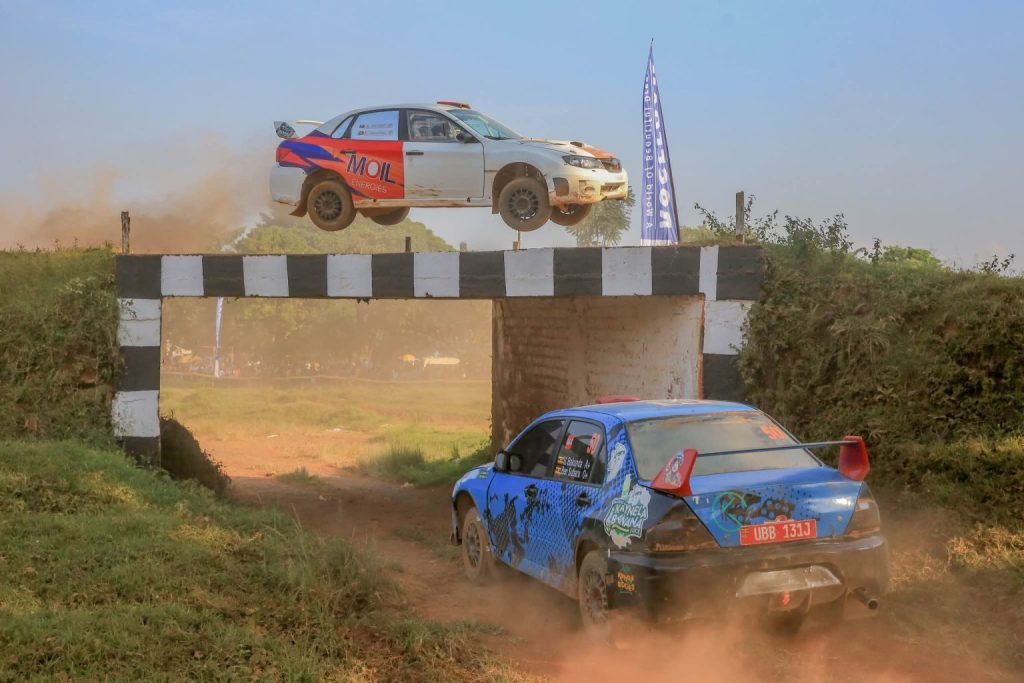
Looking specifically at African rally conditions, including Uganda’s fast and rough roads, durability becomes even more important. Stages around Mbarara, Gulu, Jinja, Mbale, and Masaka are not always kind to machinery. Cars endure rocks, ruts, jumps, dust, heat, and endless punishment. Under these conditions, the Evo’s reputation for toughness becomes a significant advantage. There is a reason so many top drivers across East Africa have trusted various generations of Evolution machinery.
Manufacturing quality is another interesting comparison. Subaru built rally cars that felt refined and balanced. Mitsubishi built rally cars that felt as if they had been designed by engineers who were personally offended by mechanical failure. Every generation of Evo seemed to arrive with the message: “We heard what broke last year. It won’t break this year.” Then they added stronger components just to be safe.
Ultimately, Subaru created one of the most iconic rally cars ever built. The sound of a flat-four boxer engine echoing through a forest stage remains one of motorsport’s greatest experiences. The Subaru is the gentleman rally warrior `balanced, composed, and immensely capable.
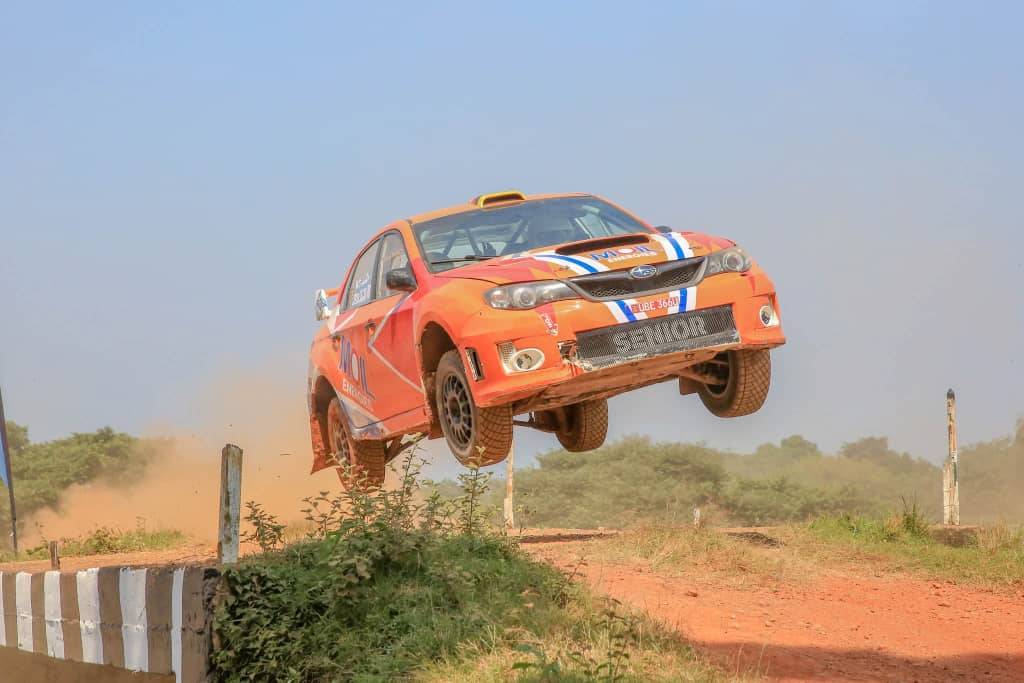
The Mitsubishi Evolution, however, is the rally equivalent of that stubborn village bull that refuses to stop charging. It is brutally effective, mechanically tough, highly tunable, and frighteningly quick. If the Subaru is the professor of rallying, carefully applying science and balance, the Evo is the student who skipped class, showed up late, and somehow still got the highest marks.
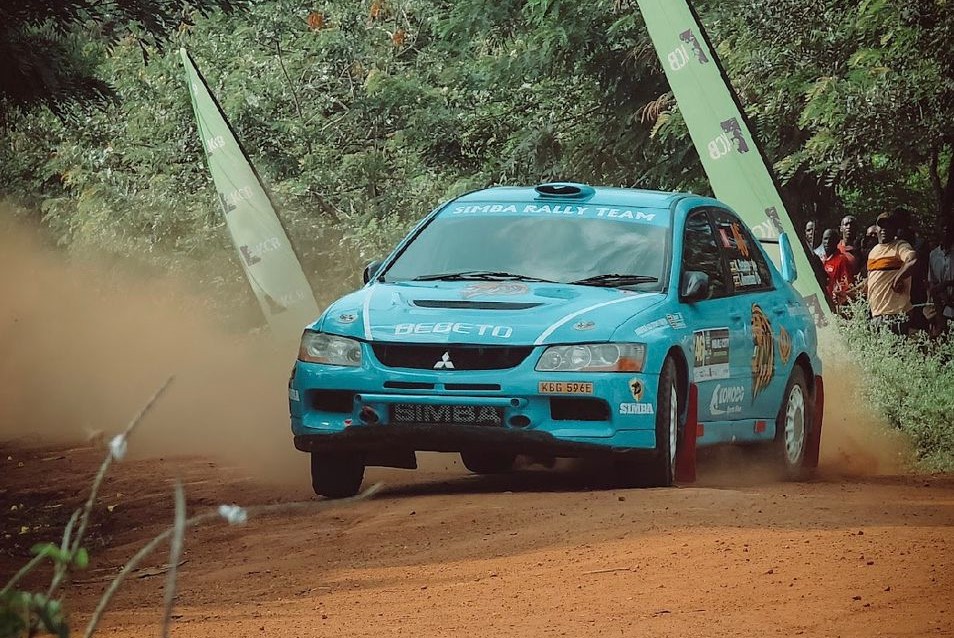
That is why, when the dust settles and the stopwatch stops, many rally engineers, mechanics, and drivers still give the overall technical advantage to the Mitsubishi Evolution. The Subaru may win the beauty contest and the soundtrack competition, but the Evo often wins the argument that matters most in rallying:
“Did the car survive the rally?”
About The Author