Ever Wondered Why It’s Called Hell’s Gate?
By Mwambazi Lawrence
Before it became one of the fastest and most electrifying battlegrounds in rallying, the name “Hell’s Gate” had nothing to do with screaming engines, flying gravel, or co-drivers firing pace notes like strict exam invigilators. Its origins stretch far beyond motorsport, rooted deep in exploration, geology, and the raw, untamed forces of nature.
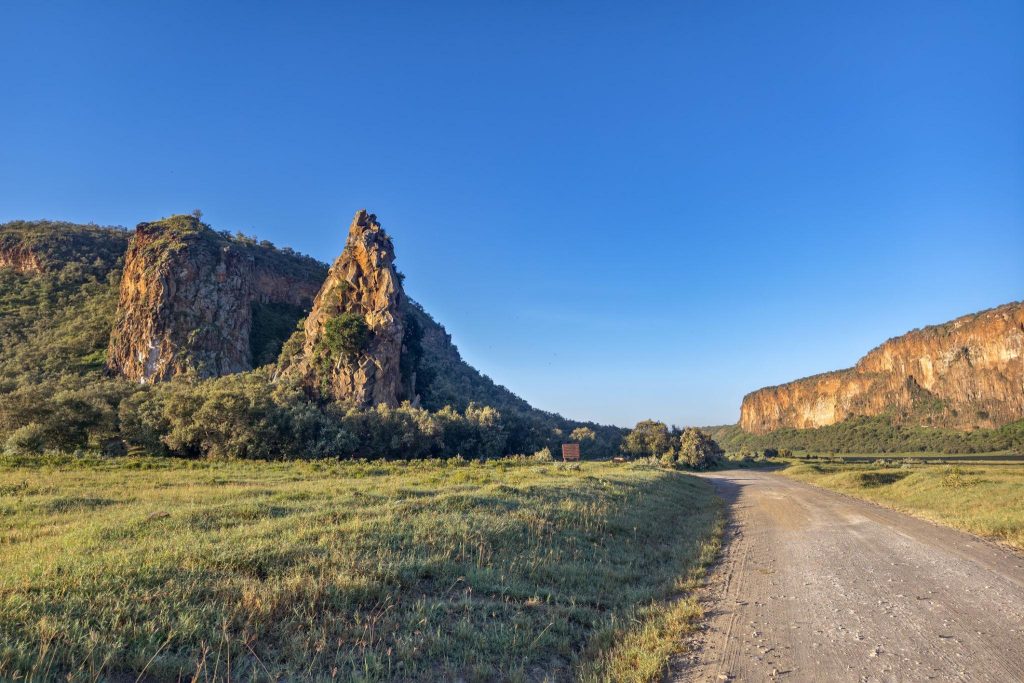
The name “Hell’s Gate” dates back to the late 19th century, when early European explorers most notably Joseph Thomson and Gustav Fischer journeyed through what is today Hell’s Gate National Park, nestled within the vast Great Rift Valley. What they encountered was a landscape that felt anything but welcoming. A narrow gorge carved between towering cliffs stood before them, with steam vents hissing from beneath the earth and heat rising from hidden fissures. The ground itself seemed alive, breathing warmth and mystery.
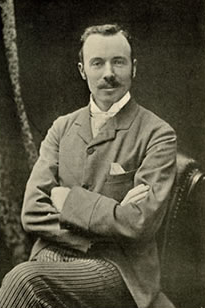
To these explorers, the scene resembled an entrance to an underworld harsh, fiery, and intimidating. It was not just a place; it was an experience. And so, they named it “Hell’s Gate,” a title that perfectly captured the eerie, almost supernatural atmosphere that surrounded them.
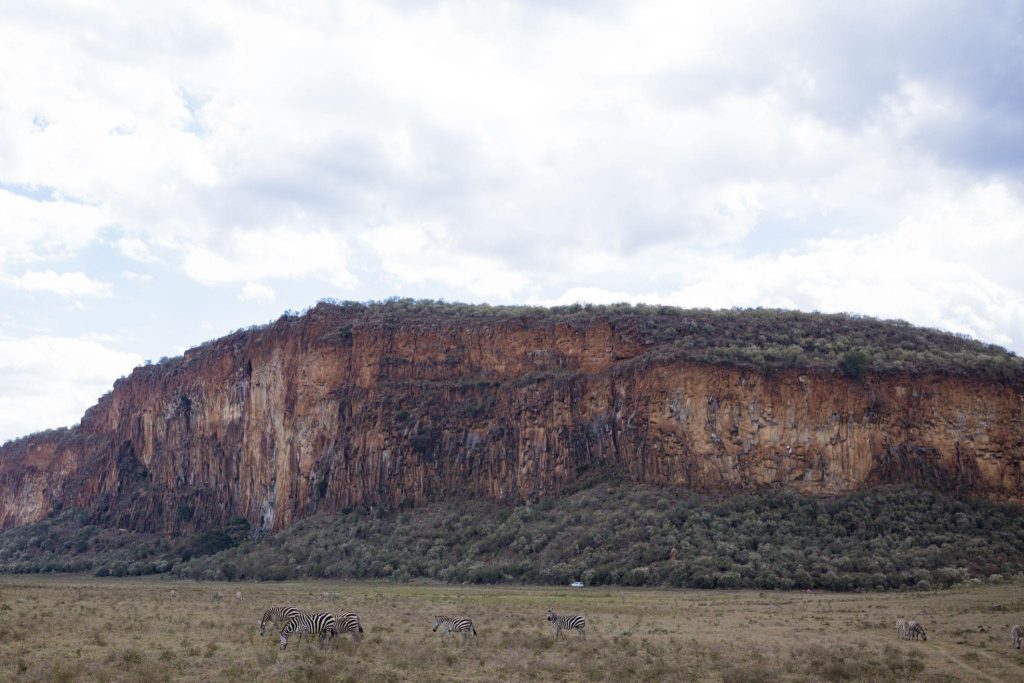
From a learning perspective, the dramatic features of Hell’s Gate are the result of powerful geological processes. The Great Rift Valley is one of the most significant tectonic formations on Earth, created as the African tectonic plate slowly splits apart. Over thousands of years, volcanic activity and shifting crusts sculpted the cliffs, gorges, and geothermal systems seen today. The bubbling hot springs and steam vents are direct evidence of this underground activity, explaining why early visitors felt like they had stumbled upon something otherworldly.
Fast forward several decades, and naturally, rally organizers looked at this intimidating, hostile, slightly angry landscape and said, “Yes… perfect. Let’s drive very fast cars through here.” Where others saw danger, motorsport saw opportunity. The rugged beauty and natural flow of the landscape made it an ideal stage, and the name “Hell’s Gate” carried seamlessly into the world of rallying.
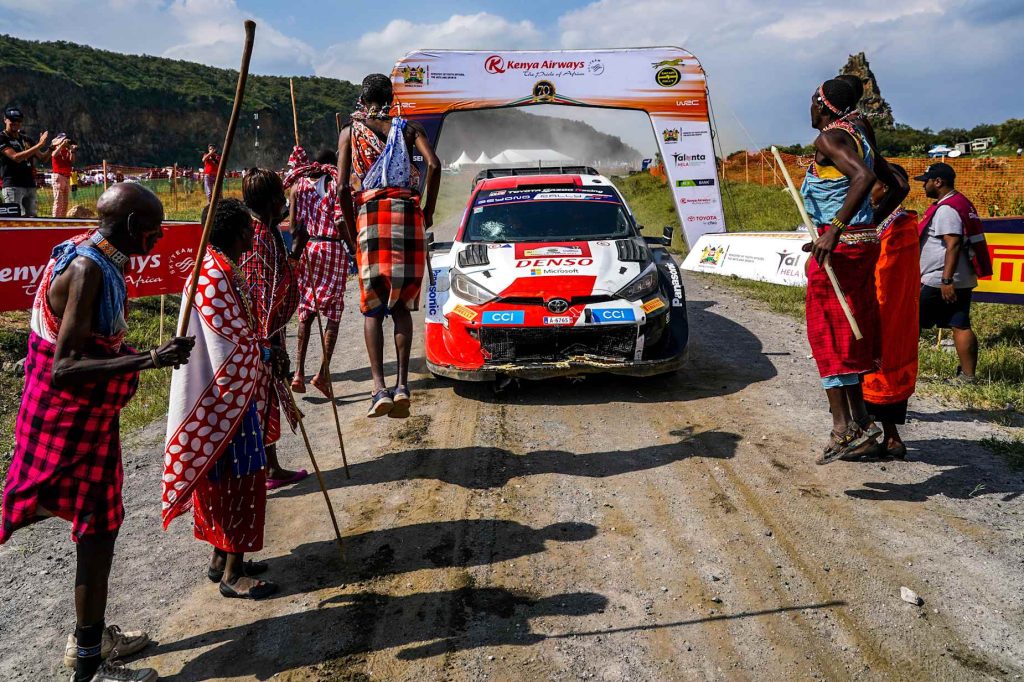
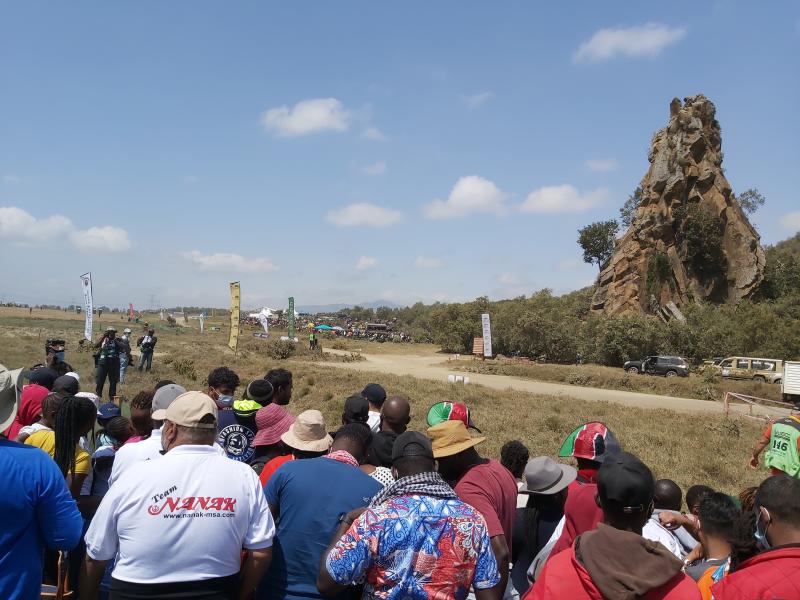
Today, Hell’s Gate is one of the most iconic stages in the Safari Rally, and in typical rally fashion, it comes with a twist. Unlike the bone-shaking, suspension-destroying sections that define much of the Safari Rally, Hell’s Gate is deceptively friendly. It’s fast. It’s flowing. The gravel is smooth. The corners link together beautifully. It’s the kind of stage that whispers sweet lies to drivers. It lures drivers into a rhythm, tempting them to push flat-out as the car dances through sweeping bends. Meanwhile, thousands of spectators gather, turning the stage into a natural amphitheater where every slide, jump, and near-miss is met with roaring applause.
But beyond the speed and spectacle, Hell’s Gate has developed a personality of its own one that rally drivers know all too well.
Because while the original name came from geothermal heat and volcanic drama, modern rally drivers have added their own interpretation.
You arrive at the stage feeling unstoppable. The car is hooked, the lines are clean, and the crowd is cheering like you’ve already secured a podium finish. The gravel is smooth, the corners are flowing, and confidence is at an all-time high.
Then comes that one moment.
A slightly optimistic call.
A tiny misjudgment.
A fraction too much speed.
The co-driver hesitates: “Flat right… maybe.”
The driver responds: “Maybe??”
And the car, with absolute authority, decides: “We are now going to have a meeting with the rocks.”
In that instant, the meaning of “Hell’s Gate” becomes very personal.
In modern editions of the Safari Rally, the stage often serves as a decisive Power Stage where championships are influenced, victories are sealed, and heartbreak unfolds in front of thousands. It is a place where history, geology, and motorsport collide, creating drama that is as unpredictable as it is unforgettable.
So the next time the name “Hell’s Gate” echoes through rally commentary, it’s worth remembering its true origin. It wasn’t coined by a frustrated driver after a rough stage or a co-driver rewriting notes mid-air. It was given by explorers who stood before a steaming, hostile gorge and instinctively felt they had reached a place that was not meant to be easy. Rally drivers simply came later and proved them absolutely right.
About The Author