Katsuta on Brink of Historic Maiden Win as Safari Rally Kenya Wreaks Havoc
By Mwambazi Lawrence
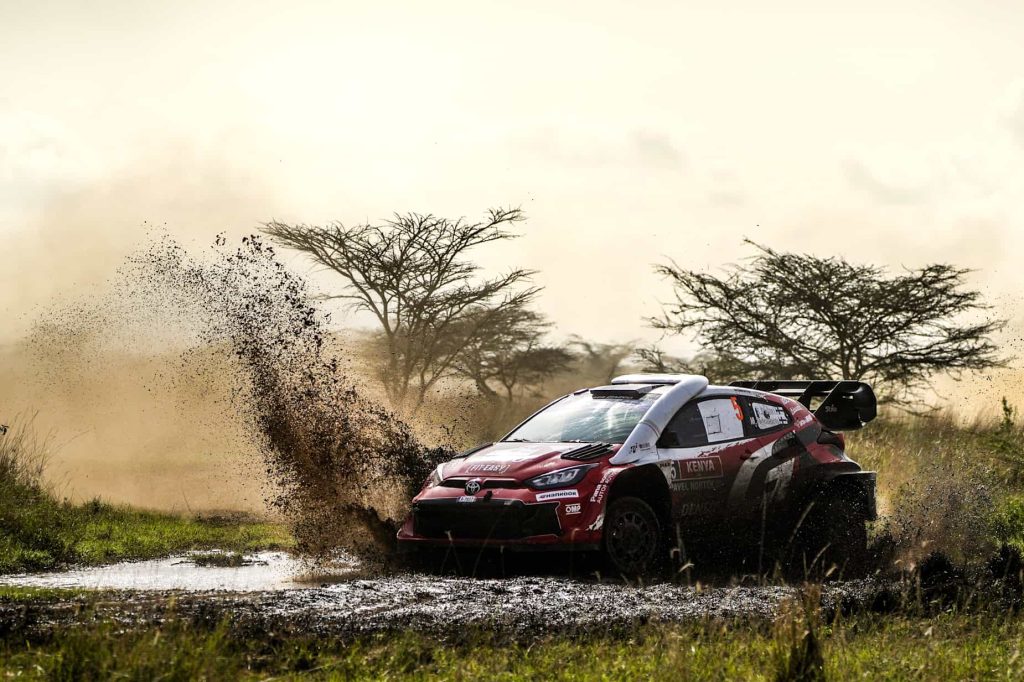
Takamoto Katsuta is inching closer to what could be a historic maiden victory at the legendary Safari Rally Kenya after Saturday’s dramatic leg turned into a mechanical survival contest rather than a high-speed rally. The World Rally Championship round once again reminded crews that in Africa, the rally is the boss drivers are just visitors trying not to anger the rocks, mud, wildlife and occasionally their own cars.
At the start of the day it looked like a normal rally, with Toyota Gazoo Racing comfortably occupying the top three positions. But this is the Safari Rally where things change faster than the weather in Naivasha and where a perfectly healthy rally car can suddenly decide it prefers retirement to another kilometre of punishment.
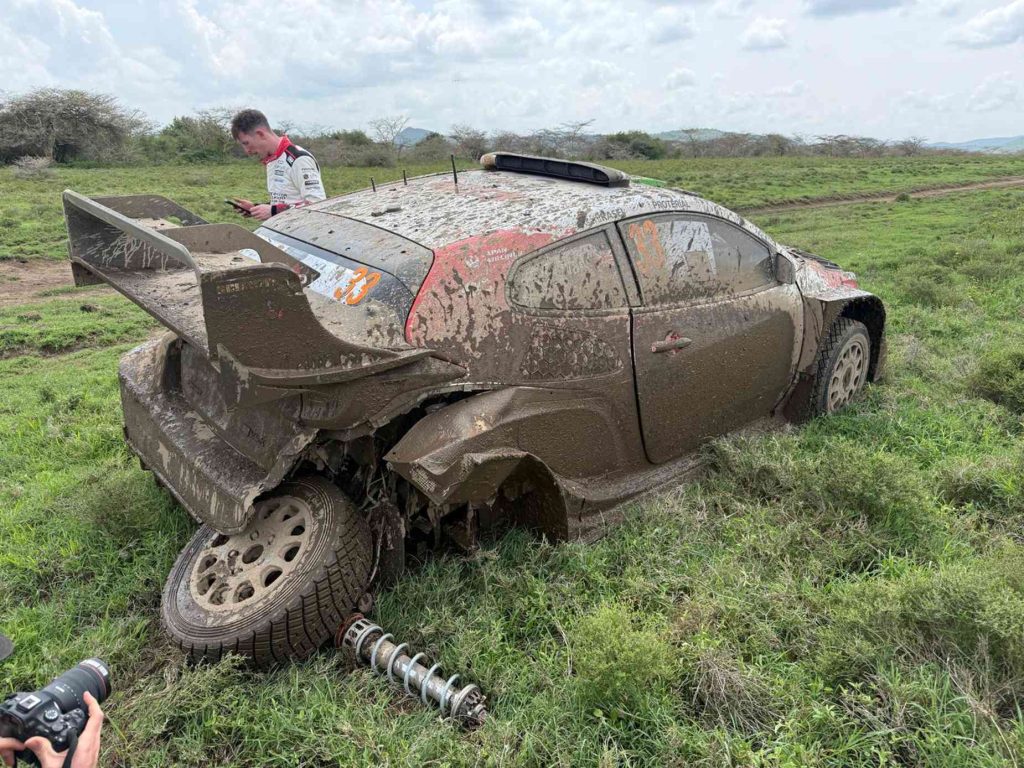
The turning point came on the brutal 31km Sleeping Warrior stage, a section of road that seems to have a personal vendetta against rally cars. Championship leader Elfyn Evans was the first major victim after his car’s rear suspension decided it had seen enough African rocks for one lifetime. The Welshman’s rally ended mid-stage, leaving mechanics back in service probably asking themselves if they should start designing suspension out of steel beams instead.
The drama didn’t stop there. Rally leader Oliver Solberg had already survived the Sleeping Warrior stage almost blind after running out of washer fluid and trying to peer through mud like someone driving through a chocolate milkshake. Just when he thought he had survived the worst of it, his car’s alternator failed on the road section. Moments later, nine-time world champion Sébastien Ogier suffered exactly the same fate. In the space of minutes, the top three cars disappeared proof that at the Safari Rally, even legends must politely respect the African wilderness.
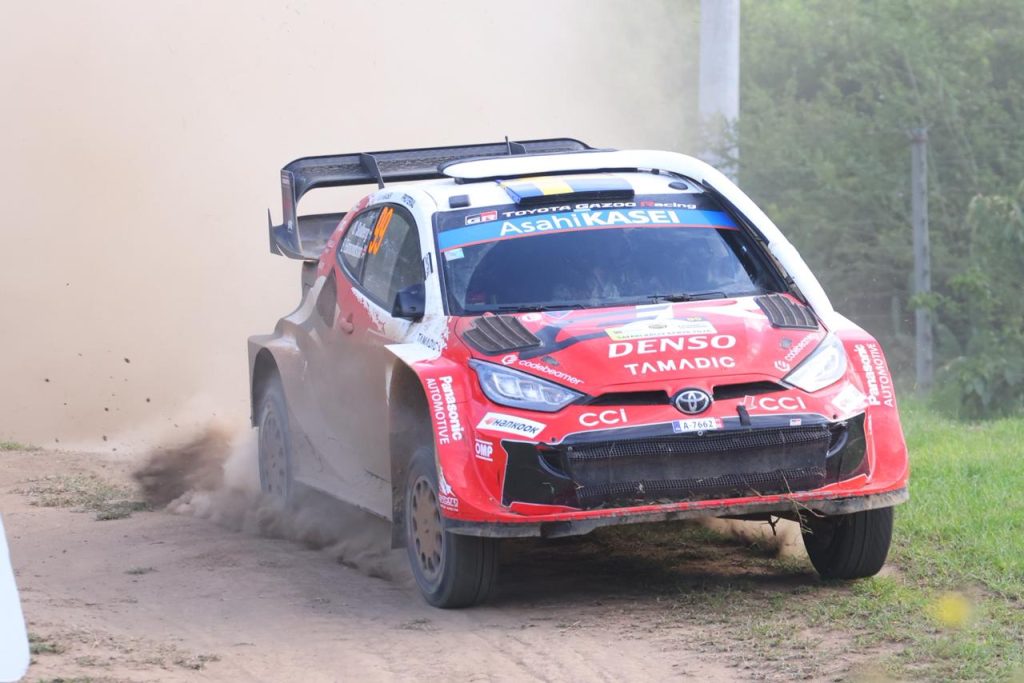
Suddenly, Katsuta found himself leading the rally probably after double-checking the timing screen just to make sure it wasn’t a prank. The Japanese driver had wisely taken a cautious approach earlier after suffering a double puncture on the Elmenteita stage and completing the rest of the loop without spare tyres. On the Safari Rally, driving without spares is a bit like walking through a cactus garden barefoot you simply pray nothing sharp touches you.
The afternoon stages continued to deliver the kind of chaos that only the Safari can produce. Thierry Neuville, who had been battling overheating issues all morning, eventually fell victim to a triple puncture on the Soysambu stage. Running out of tyres in Safari Rally territory is like running out of water in the desert the outcome is rarely good.
That opened the door for Adrien Fourmaux to climb into second place after cleverly tip-toeing through the carnage. The Frenchman even managed a stage win but admitted that his main focus was simply protecting his Hyundai i20 N Rally1 from rocks that appear to jump onto the road just to greet passing rally cars.
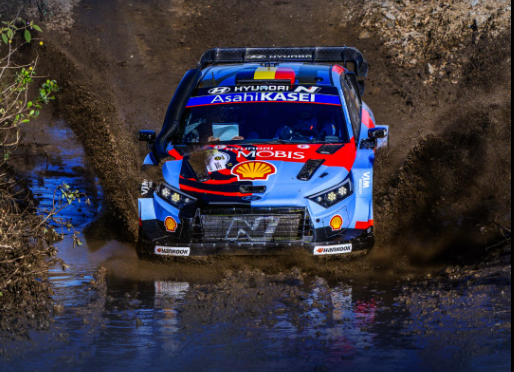
Young Finnish driver Sami Pajari produced one of the day’s most remarkable recoveries. After suffering a frightening high-speed tyre explosion on the Elmenteita stage that cost him over five minutes and left his car looking like it had just fought a small war, Pajari bounced back later in the afternoon to win the repeat pass of the same stage and climb into third overall.
Meanwhile, Esapekka Lappi ended the day in fourth place after battling heavy understeer and another puncture. By the end of the stage he bluntly admitted he had stopped looking at the results altogether a classic Safari Rally strategy where the goal is no longer winning, but simply arriving at the finish line with something resembling a car.
Drivers from M-Sport Ford also endured a difficult afternoon. Jon Armstrong battled rising water temperatures and punctures, while Josh McErlean spent most of the day nursing a stubborn engine issue. Both drivers finished outside the top ten, probably relieved their cars hadn’t decided to join the growing retirement list.
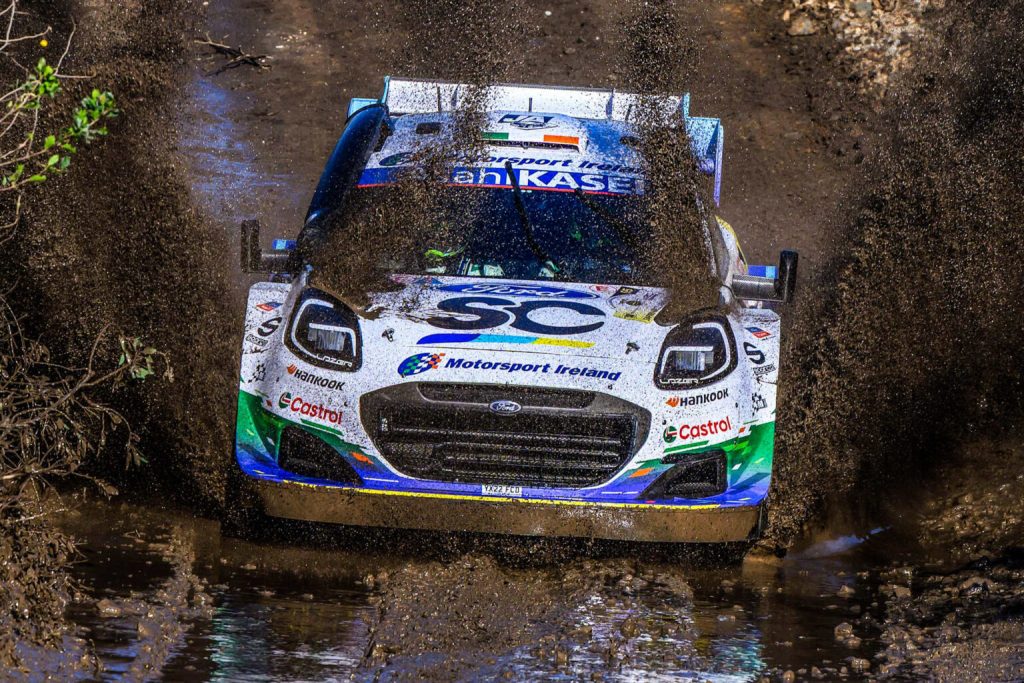
In the WRC2 category, Robert Virves delivered a controlled performance to end the day with a comfortable 55.3-second lead while running an impressive fifth overall. Gus Greensmith sits second in class while Fabrizio Zaldivar, Andreas Mikkelsen, Diego Domínguez and Daniel Chwist complete the provisional top ten.
Saturday’s drama eventually became too much even for the organisers, who cancelled the second pass of the Sleeping Warrior stage after heavy rains turned the road into something resembling a muddy swimming pool. Rescue vehicles reportedly would have needed snorkels to reach stranded crews.
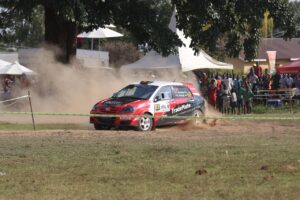
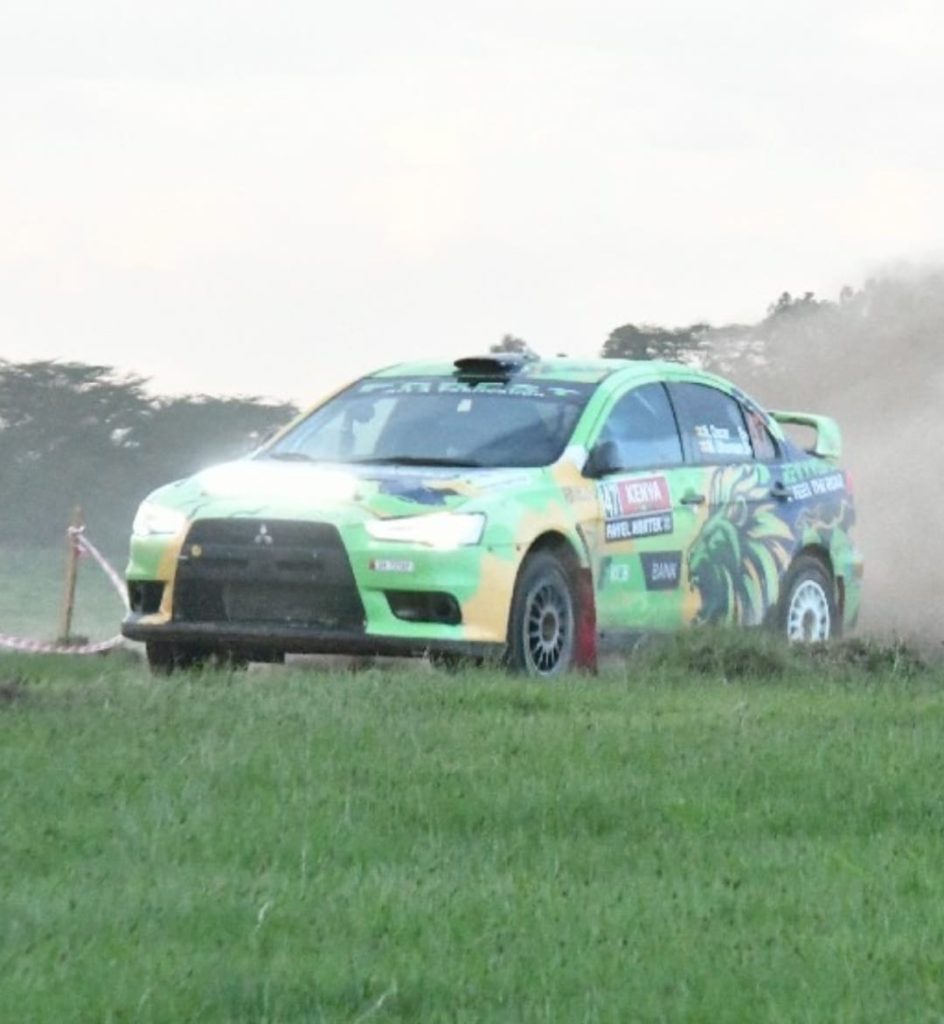
Despite the chaos, Team Uganda continues to grind its way through the rally proving that sometimes determination is stronger than horsepower. Oscar Ntambi and co-driver Asuman Mohammed remain the highest-placed Ugandan crew in their Mitsubishi Evo X, currently sitting 23rd overall, though 1 hour 38 minutes behind the rally leader. At the Safari Rally, however, simply reaching the finish line is considered a victory worthy of celebration.
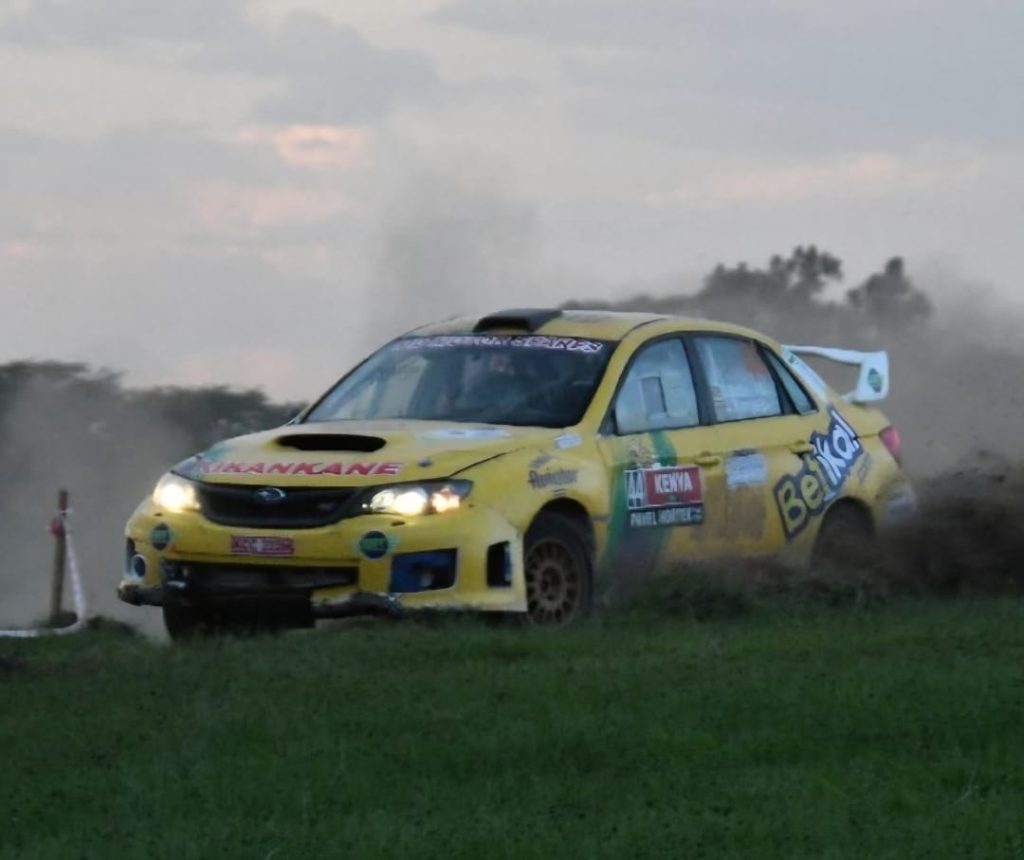
The crew of Duncan Mubiru, popularly known as Kikankane, and co-driver Joseph Kamya are also still battling on despite several mishaps. Their Subaru Impreza GVB sits 30th overall after 16 stages, with the pair refusing to surrender a true Safari Rally mentality where drivers keep going until the car, the road, or occasionally a stubborn rock says otherwise.
Fellow Ugandans Yasin Nasser and Ali Katumba rejoined the rally under restart rules after retiring earlier with an overheating issue. After overnight repairs they returned to the stages and now lie 31st overall, steadily climbing the leaderboard as other competitors fall victim to the unforgiving Kenyan terrain.
In the African Rally Championship category, Kenya’s Karan Patel and co-driver Tauseef Khan have kept their Škoda Fabia firmly on the road to lead the class comfortably. Arif Virani holds second place but trails Patel by nearly ten minutes a gap that shows just how much survival matters in this rally.
Sunday will feature the final four stages, including the iconic Hell’s Gate Power Stage where drivers will push for extra championship points. But as history has shown many times at the Safari Rally, the real question is not who is fastest it’s who still has a car left by the time the rally finally decides it’s done playing games.
About The Author