WRC Crews Prepare for Rallying’s Toughest Test

By Mwambazi Lawrence
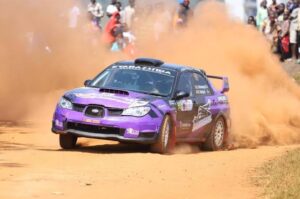
The crews of the FIA World Rally Championship are once again preparing for the wildest classroom in motorsport as they head to the legendary Safari Rally Kenya. If other rallies are exams, the Safari is the final paper written with shaking hands while a thunderstorm rumbles outside. It is the most untamed and unpredictable event on the calendar, where nature is the real rally organiser and the drivers are merely invited guests trying not to break anything too expensive.

Kenya delivers a mechanical workout so brutal that rally cars arrive looking like bodybuilders ready for a heavy lifting competition. Teams raise ride heights, soften suspensions and double-check every bolt like a nervous mechanic packing for war. Even with these preparations, the Naivasha stages still have sections that force drivers to tiptoe like someone walking through a house full of sleeping lions. One wrong push and the car could lose a suspension arm .
Safari Rally Kenya is rallying in its purest form. This is where durability, patience and mechanical sympathy matter just as much as raw speed. In other rallies drivers fight the stopwatch. In Kenya they also fight rocks, sand, rain, mud, and occasionally the uncomfortable feeling that the road itself might just disappear. Add in monsoon rainstorms and deep water crossings and suddenly a rally car begins to feel less like a racing machine and more like a confused amphibious vehicle wondering how it ended up here.
Conditions can change in an instant. Last year’s rally demonstrated this perfectly when day three turned into a swampy obstacle course. Drivers arrived expecting gravel roads and instead found something closer to a rally version of rice farming. Cars were sliding, spinning, and occasionally behaving like reluctant hippos trying to cross a muddy river. It was the kind of day where drivers were not chasing stage wins but simply asking the car politely: “Please… just survive.”
Championship leaders Elfyn Evans and Scott Martin will once again open the road after taking the championship lead following victory at Rally Sweden. Opening the road in Kenya is a bit like volunteering to sweep the house before everyone else wakes up. You clear the loose gravel, the sand, the rocks and sometimes even the wildlife tracks. Still, Evans doesn’t seem to mind. The Welshman and Martin left Sweden with a 13-point championship lead after only Thierry Neuville and Martijn Wydaeghe spoiled their hopes of a perfect Super Sunday clean sweep.
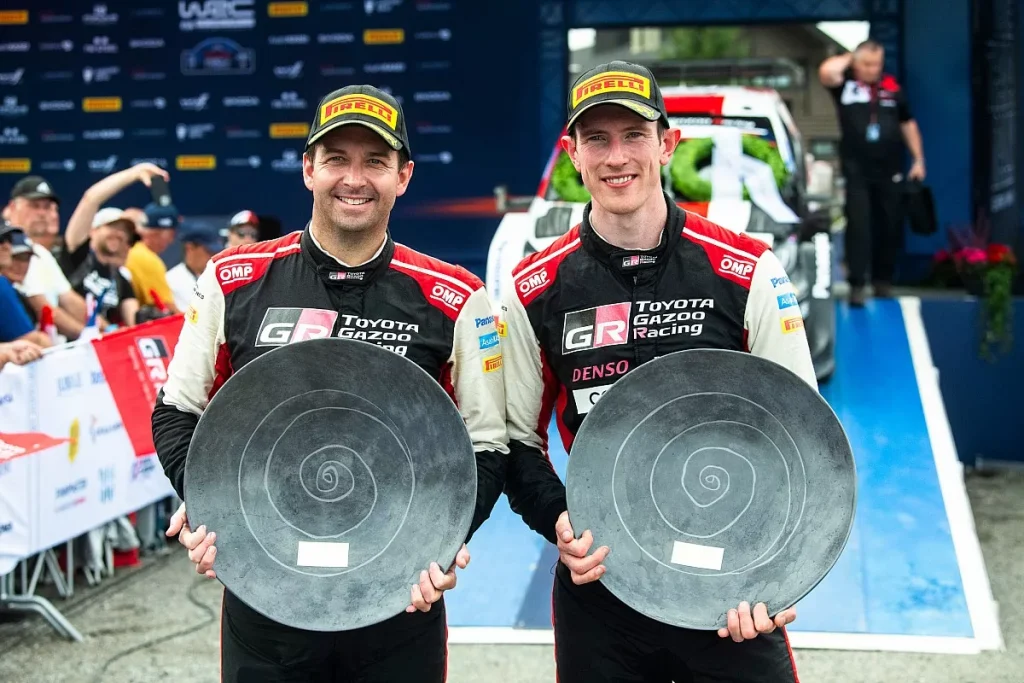
Evans has a strong Safari record. Last year’s winners have three podiums from five starts, and lately they seem to treat second place as their minimum daily requirement. That consistency is backed by the reliability of Toyota Gazoo Racing, whose cars have become so dependable in Kenya that mechanics almost look relaxed. Almost.
Toyota will also welcome back eight-time world champion Sébastien Ogier, who returns for his second appearance of a limited campaign. Ogier has already conquered the Safari twice, most recently with co-driver Vincent Landais in 2023. Although his third place at Rallye Monte-Carlo was respectable, Ogier rarely travels halfway across Africa just to admire the scenery. When he arrives, the intention is usually very simple: win the rally and make it look easy enough that everyone else starts questioning their life choices.

Meanwhile Oliver Solberg heads into Kenya hoping to keep his early-season momentum alive. His dream run slowed down slightly in Sweden after losing the lead on stage three, reminding him that rallying is a sport where confidence can disappear faster than a mechanic’s coffee during service. Solberg has already learned about Kenya’s famous fesh-fesh sand a mysterious powder capable of swallowing rally cars whole like a desert monster with an appetite for expensive machinery.
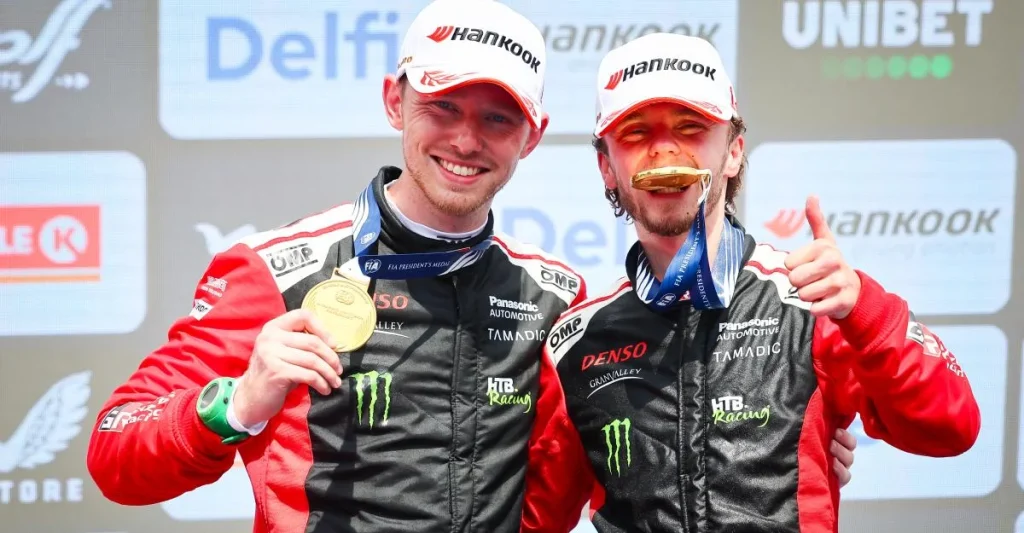
For Takamoto Katsuta and co-driver Aaron Johnston, the Safari carries unfinished business. Last year their rally ended dramatically with a crash on the final stage, a moment that probably made every Toyota mechanic simultaneously drop their tools and stare at the screen. Despite that heartbreak, Katsuta has finished every other Safari he has started and collected three podiums along the way. A first WRC victory would be the ultimate redemption story and possibly the loudest celebration Toyota’s service park has ever heard.
Young talent Sami Pajari, partnered by Marko Salminen, continues to quietly build momentum. While Oliver Solberg often grabs the headlines, Pajari has been steadily proving that speed mixed with consistency is a dangerous combination. His fourth place on Safari debut last year showed he understands the rally’s golden rule: attack when possible, but treat the rocks like they personally own the road.
Over at Hyundai Motorsport, the mood is slightly more complicated. The Hyundai i20 N Rally1 looked a step behind the Toyota GR Yaris Rally1 in Sweden, where Toyota locked out the top four positions like a team that forgot to leave space for visitors. Adrien Fourmaux delivered Hyundai’s best result with fifth place, but the Frenchman made it clear the team still has work to do.
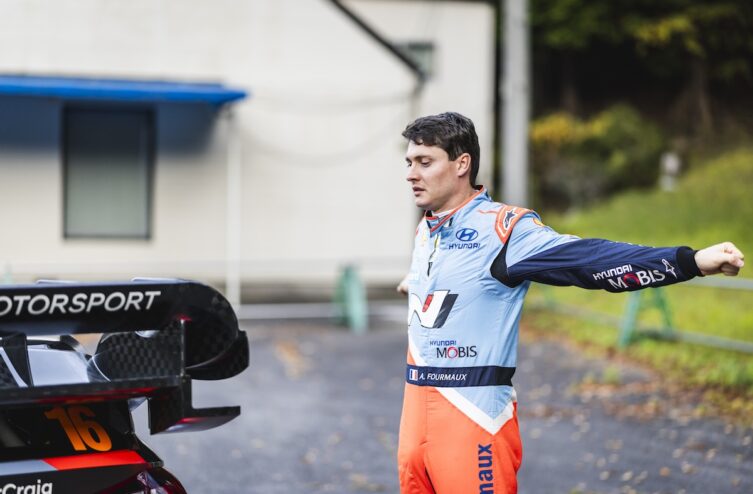
Fortunately for Hyundai, the Safari has a special talent for turning predictions into comedy. A perfectly fast car can break, while a slightly slower one can suddenly look brilliant simply because it survived. Hyundai already proved they can take advantage of chaos when Thierry Neuville and Adrien Fourmaux delivered a stunning one-two finish at Rally Saudi Arabia last season.

Completing the Hyundai line-up are Esapekka Lappi and co-driver Enni Mälkönen, whose last Safari included a transmission failure, punctures and a broken windscreen essentially the rally equivalent of having a very long and very unlucky day at the office. This time they will simply hope the African wilderness behaves itself for at least a few stages.
Meanwhile M-Sport Ford World Rally Team arrives with an all-Irish pairing of Josh McAleenan with Owen Tracy, and Jon Armstrong with Shane Byrne. The team will be looking to bounce back from Sweden where low tyre pressures caused punctures so frequently that mechanics probably started recognising the sound of deflating tyres from several kilometres away.
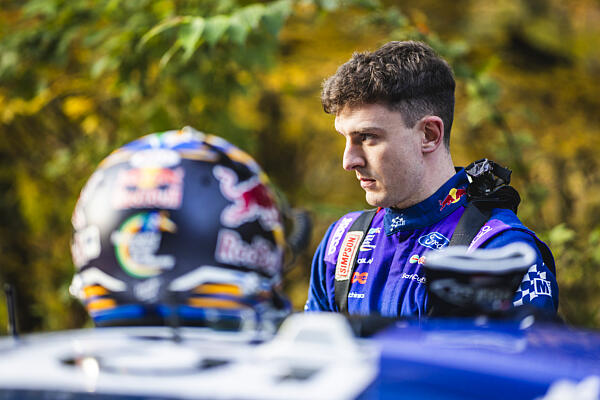
Armstrong enters the Safari for the first time, which means he will soon discover why experienced drivers describe Kenya with equal parts excitement and mild fear. McAleenan and Tracy, meanwhile, know that keeping calm during this rally can be the difference between finishing proudly or returning to service with the kind of damage report that makes engineers stare quietly at the ground.
So once again the WRC prepares for a rally where survival can be as impressive as victory. The stages around Naivasha promise rocks, dust, sand, mud, rain and possibly a few surprises that even the organisers did not plan. In short, Safari Rally Kenya is ready to remind the world why it remains one of the toughest challenges in motorsport and why finishing it often feels like winning.
About The Author