Safari Rally 2026 Ready to Punish Cars and Courage
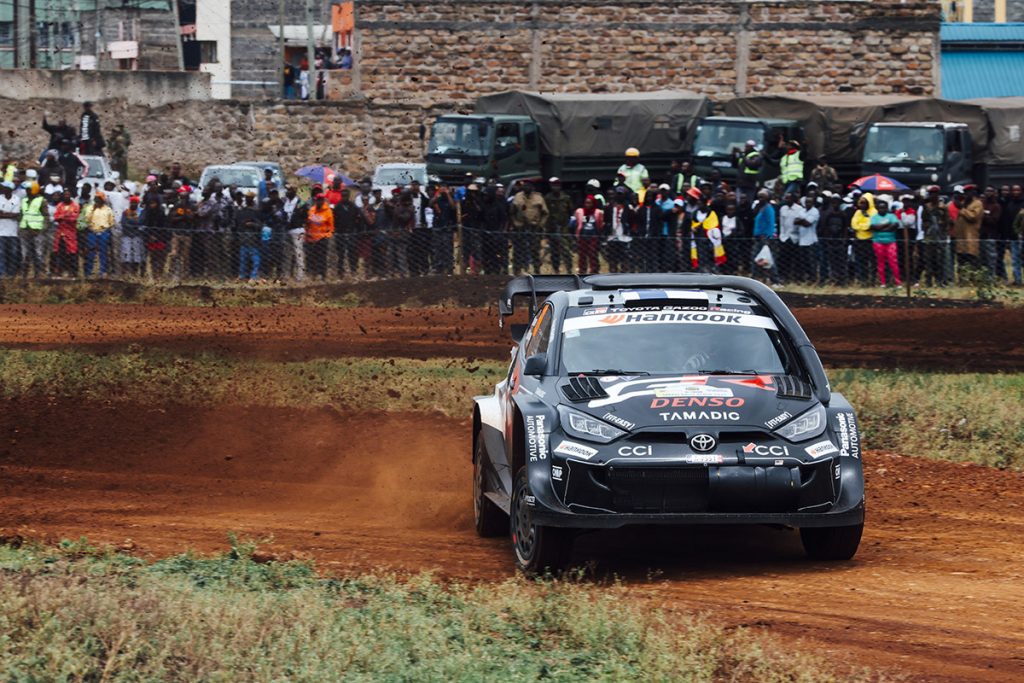
2025 FIA World Rally Championship / Round 03 / Safari Rally Kenya 2025 / 19-23 March 2025 / // Worldwide Copyright: TGR WRT / McKlein
By Mwambazi Lawrence
The 2026 Safari Rally Kenya, the third round of the World Rally Championship season running from March 12 to 15, is once again preparing to remind rally drivers that nature always has the final say. This year’s edition drops the traditional ceremonial start in Nairobi and the popular Kasarani Super Special Stage, choosing instead to focus entirely on the rough, dusty and slightly mischievous terrain surrounding Lake Naivasha. In simple rally terms, drivers will no longer get a polite handshake before the fight begins the rally now throws them straight into the boxing ring with Kenya’s gravel roads.
For years, the Nairobi start allowed drivers to smile, wave to fans and pretend everything was under control. But in 2026, the rally organisers have decided there is no need for such pleasantries. Instead, everything shifts to Naivasha, where the rally begins almost immediately with the Shakedown at the new Nawisa test stage on Thursday morning. Traditionally, a shakedown is meant for fine-tuning the car. In Safari Rally terms, however, it’s often where teams first discover which bolt was pretending to be tight and which suspension part was quietly planning its early retirement.
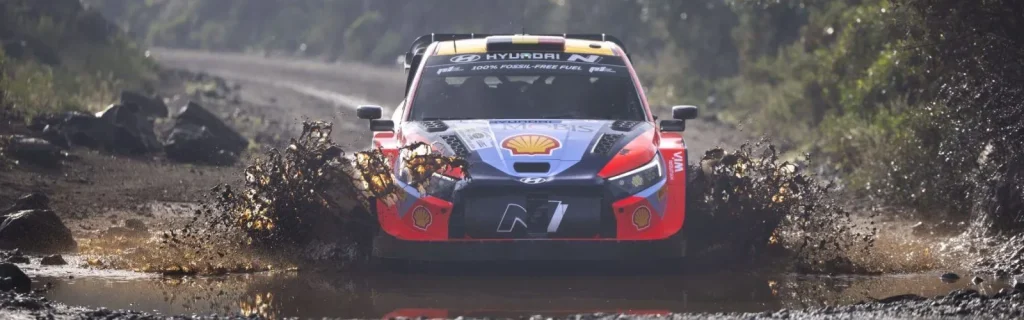
From Thursday afternoon, the real action begins with a 20-stage schedule packed into four brutal days, meaning drivers will barely have time to blink, let alone admire the scenery. And that scenery, by the way, includes some of the most beautiful landscapes in Africa cliffs, plains and wildlife although rally drivers rarely notice it. Most of the time they are too busy shouting pacenotes, dodging rocks and negotiating with their suspension systems like mechanics negotiating a spare parts discount in Kisekka.
Although the Safari Rally is no longer the legendary thousand-mile monster it once was, it remains widely known as the most punishing gravel rally in the WRC. The rally’s roads seem specially designed to test both man and machine. The Hankook Dynapro gravel tyres will face razor-sharp rocks that look like they were planted there by an angry tyre manufacturer. And then there is the infamous “fesh-fesh” sand the soft powder that can swallow a rally car so quickly that spectators sometimes wonder if the road just ate it for lunch.
Drivers often say that at the Safari Rally you don’t simply race the clock you negotiate with the road. One moment you are flying at top speed, and the next moment the road reminds you that Kenya’s gravel has a sense of humour. A small bump suddenly becomes a launch ramp, and before the driver finishes saying “flat out,” the co-driver is already calculating how many spare tyres are left.
Friday promises to be the rally’s ultimate endurance test, with a grueling eight-stage loop that includes a reversed run of the notorious Camp Moran stage. Camp Moran has a reputation for turning perfectly healthy rally cars into mechanical puzzles. Drivers enter the stage confident, and by the finish they are whispering sweet motivational words to their gearboxes and suspension. Mechanics, meanwhile, will be waiting at service like emergency surgeons preparing to perform open-heart surgery on rally cars that look like they’ve been in a wrestling match with a rhinoceros.
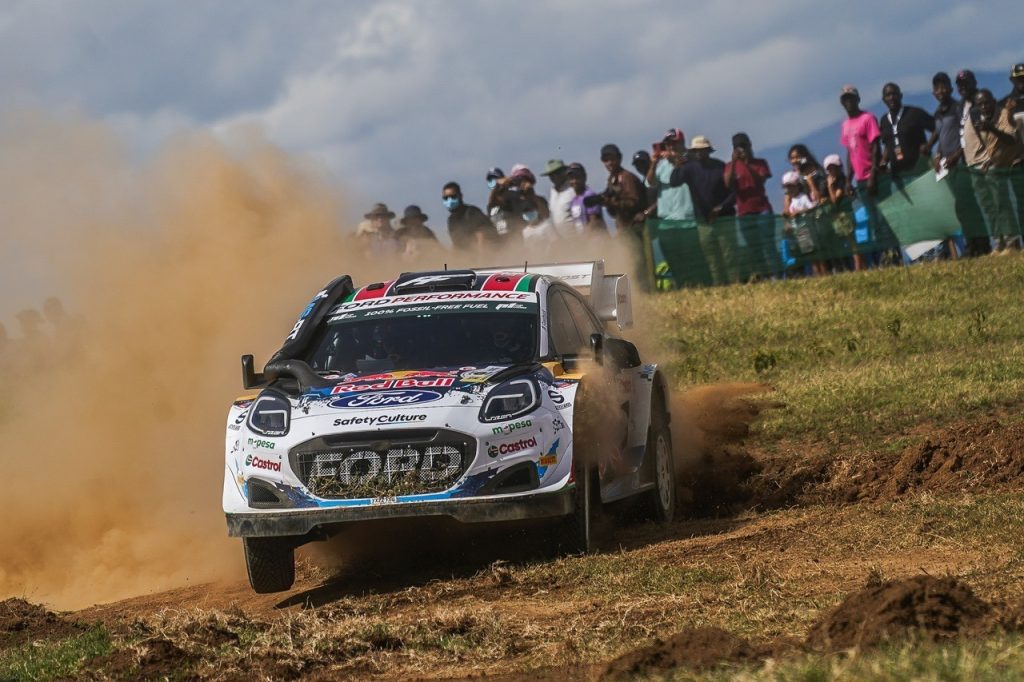
Of course, the Safari Rally would not be complete without its most unpredictable spectators Kenya’s wildlife. While most rallies worry about crowd control, Safari Rally crews occasionally worry about antelopes, zebras or deers that decide the racing line is a comfortable place for a quick meeting. Drivers have previously slowed down not because of caution but because a particularly confident goat refused to move off the stage. In rally folklore, it is said that the Zebra probably believed it was leading the rally.
The rally will reach its dramatic conclusion on Sunday with the iconic Hell’s Gate stage, which will be run twice, with the second pass serving as the Wolf Power Stage. Set against the towering cliffs of the Rift Valley, Hell’s Gate offers a breathtaking backdrop though drivers will mostly be focused on making sure their cars still have functioning wheels and at least one shock absorber still pretending to work.
By the time the rally reaches the finish, cars will be covered in dust like they have just returned from a desert expedition. Drivers will step out looking like explorers who accidentally drove through a sandstorm, and mechanics will finally breathe again after four days of mechanical therapy. But that is the magic of the Safari Rally. It may have changed its format over the years, but its spirit remains the same: a rally where speed is important, survival is essential, and sometimes the best spare part a driver can carry.
Because in the Safari Rally, the road doesn’t just challenge you it laughs with you, sometimes at you.
About The Author